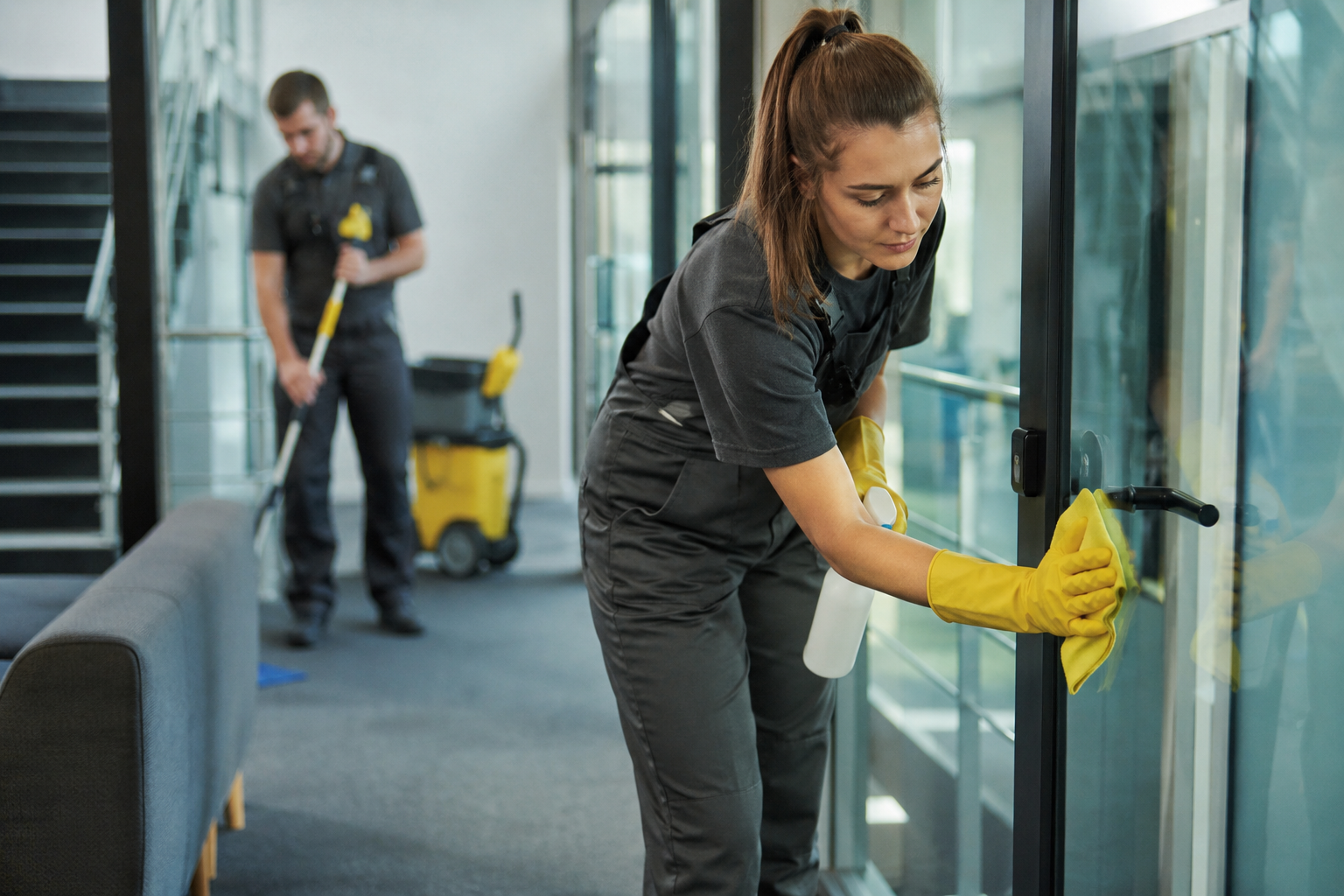
I used to work in a small marketing agency in Toronto, back before I got into writing full time, and there was this one week where our office cleaner quit without much notice. Nobody replaced her for about ten days. By day four the kitchen sink had a pile of coffee mugs nobody claimed, the carpet near the entrance looked grey instead of its usual navy, and honestly, morale just dipped. Nobody said anything out loud, but you could feel it. Clients came in for a meeting that week, and one of them made a joke about the lived-in look of our reception area. It wasn’t funny at the time.
That whole experience is basically why I take workplace cleanliness seriously now and why so many businesses across Canada, small and massive alike, have quietly decided it’s not something to gamble on.
Why Workplace Cleanliness Matters
Here’s the thing nobody tells you when you’re starting a business: the physical state of your space says things about you before you’ve said a word. A stained carpet, dusty blinds, or a washroom that smells slightly off tells a visitor something, whether you meant it to or not.
But it goes further than optics. Shared keyboards, door handles, boardroom tables, and break room fridges, these get touched by dozens of people every single day, and in a poorly maintained office, that turns into a pretty efficient way to spread illness around. Ask any office manager about flu season, and they’ll usually mention how it seems to hit certain floors or departments harder, and a lot of the time it traces back to cleaning gaps nobody noticed until three people called in sick the same week.
There’s also something less measurable going on with employees. People who spend their day in a cluttered, grimy environment tend to feel it, even if they can’t quite articulate why they’re a bit more sluggish or irritable by 3pm. It’s not dramatic, just a slow drain.
And for certain sectors, healthcare clinics, food service, anything touching public health, there are actual regulations at stake. Falling short there isn’t just embarrassing. It can mean fines, or in worse cases, being shut down until things are sorted out. So cleanliness sits in this weird overlap of image, health, and legal obligation that most people underestimate until it becomes a problem.
See also: The Evolution of Virtual Reality Systems
Benefits of Hiring Professional Commercial Cleaners
Once a business accepts that this actually matters, the next debate is usually, do we handle it ourselves or bring someone in? And most companies that have tried both eventually land on outsourcing, for reasons that go beyond just convenience.
Trained cleaning crews simply know things an internal team, juggling twelve other responsibilities, won’t. Which disinfectant actually kills what on which surface. How to treat hardwood versus laminate versus stone tile without ruining any of them. How to properly sanitize a high-touch area instead of giving it a quick wipe and calling it done. That kind of knowledge takes years to build, not a weekend training video.
Then there’s the equipment side of things. Commercial-grade vacuums, floor buffers, and HEPA filtration units: most businesses would never justify buying this stuff for occasional use. A cleaning company spreads that cost across dozens of clients, which is part of why outsourcing tends to work out cheaper than people expect.
Consistency is underrated too. When cleaning duties get tossed onto whoever has a free half hour, standards slip fast, and nobody’s really accountable when it does. A dedicated cleaning partner works off a schedule and a checklist, and if something’s missed, there’s someone to actually follow up with.
And honestly, there’s a time cost that gets overlooked. Every hour your admin assistant spends wiping down the microwave is an hour they’re not doing the job you actually hired them for. Handing that responsibility off frees people up to focus on their real work, while someone else deals with the parts of building upkeep that, let’s be real, nobody enjoys doing anyway.
Industries That Need Commercial Cleaning
It’s easy to picture commercial cleaning as something only downtown office towers, glass buildings with polished lobbies, need. But the reality stretches across nearly every corner of the Canadian economy, just showing up a little differently depending on the setting.
Retail stores deal with constant foot traffic, which brings in dirt and grime at a pace most offices never see. Restaurants operate under strict health codes where one failed inspection can shut the doors for weeks, sometimes longer if word gets around. Medical clinics carry the highest stakes of all honestly, since poor sanitation there can directly affect patient safety, not just how the waiting room looks.
Warehouses and industrial facilities bring their own headaches, heavier debris, machinery grease, and way more square footage to manage than a typical office. Schools and daycare centers need routines built specifically around large numbers of kids and staff moving through shared spaces all day. Even property management firms overseeing several commercial buildings at once rely heavily on cleaning partners just to keep things consistent across locations they can’t personally check on every single day.
The common thread through all of it? Cleanliness isn’t optional in any of these settings. It ties directly into safety, into compliance, into the everyday experience of everyone walking through the building. Sooner or later, most businesses across Canada arrive at the same conclusion regardless of what industry they’re in.
Eco-Friendly Cleaning Practices
One shift that’s honestly hard to miss over the last several years is how much weight is now put on doing this in an environmentally responsible way. There was a time when clean simply meant germ-free, full stop, and nobody asked much about what chemicals got the job done. That’s changed, and for good reason too.
A lot of traditional cleaning products carry pretty harsh chemicals, the kind that can trigger headaches, skin irritation, or breathing issues, especially in offices without great ventilation. People spend eight, nine, sometimes more hours a day breathing whatever’s in that air, so what gets used to clean the place actually matters to their health, not just the surfaces.
Eco-friendly cleaning swaps in biodegradable, non-toxic products that still get the job done without the harsh fumes or sticky residue. There’s a genuine environmental upside too: less chemical runoff, less plastic waste from packaging, and a smaller footprint overall for the business behind it.
There’s a business angle here as well. Plenty of Canadian companies now build sustainability into their brand identity, and working with a cleaning provider that actually shares those values reinforces that message instead of quietly undercutting it. Clients notice this stuff more than people assume, and so do employees.
How to Choose the Right Cleaning Partner
Not every cleaning company operates the same way, and picking the wrong one can leave you dealing with inconsistent service, surprise fees, or a crew that just doesn’t get your industry’s specific needs. A few things are worth checking before you sign anything.
Experience counts for a lot. A company that’s serviced all kinds of commercial spaces over the years has already worked through the mistakes that newer providers are still figuring out in real time. Ask how they train staff, whether they’re insured, and if background checks happen before someone’s given after-hours access to your building.
Flexibility matters just as much. The better cleaning partners don’t shove every client into the same package. They build something around your space’s size, your industry, and whatever schedule actually works, daily visits, weekly service, or something in between depending on what makes sense.
Quality control is worth asking about too. Do they run inspections? Is there someone to actually talk to if a job wasn’t done right? A provider that welcomes that kind of feedback and adjusts accordingly tends to be a safer bet long-term than one that treats every complaint the same regardless of what’s raised.
And it helps to work with someone who actually understands the local market you’re operating in. Businesses looking into commercial cleaning services in Canada often end up going with a company like Elite Cleaning Services, since they’ve built a reputation around customized plans, genuinely eco-conscious products, and a track record that holds up across a wide range of commercial spaces.
Conclusion
Cleanliness in a commercial setting isn’t just about how things look, even though that’s part of it. It touches employee health, how clients perceive you, whether you’re staying compliant, and the basic day-to-day rhythm of running a business. As more companies across Canada catch onto this, the demand for cleaning partners who actually understand these layers, rather than just running a mop across the floor once a week, keeps growing.
Finding the right partner takes a bit of digging around, sure. But a workplace that’s genuinely clean, well kept, and healthy to spend time in tends to make that effort worth it pretty quickly. If you’re still weighing whether to keep cleaning in-house or hand it off, ask yourself what it actually costs to do it halfway versus what it’s worth to just get it done properly.