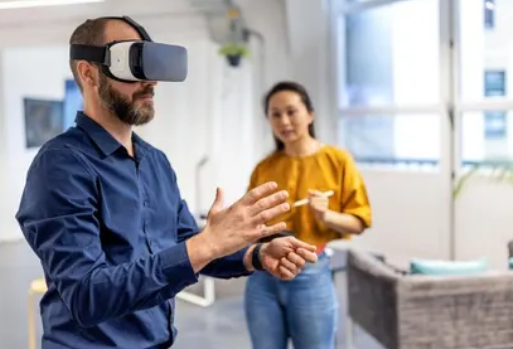
The evolution of VR systems shows a shift from niche experiments to practical interfaces shaped by engineering discipline. Early concerns about comfort and latency gave way to lighter hardware and tighter software ecosystems. Sensors, rendering pipelines, and cross-platform standards gradually aligned, reducing power use and boosting immersion. Privacy, safety, and trusted networks now accompany performance gains, enabling broader use across consumer, enterprise, and public-interest contexts. The next phase promises further integration and new challenges that demand careful stewardship.
How VR Evolved: From Novelty to Daily Interface
VR began as a niche, experimental technology, but its trajectory over the past decade has shifted it toward a practical, everyday interface.
The evolution reflects deliberate engineering choices that reduce fatigue and fragmentation, aligning hardware, software, and content.
Providers acknowledge trickery illusions as marketing myths; real progress centers on reliable sensing, wireless latency mitigation, and seamless immersion that respects user autonomy and freedom.
Key Turning Points That Reshaped VR Systems
Key turning points in VR systems emerged from a blend of hardware innovation, software engineering, and ecosystem maturation.
The trajectory shows rapid adoption tempered by hardware fatigue, prompting lighter, more comfortable designs and longer sessions.
Software ecosystems consolidated, enabling cross-platform experiences, while privacy concerns pressed for clearer data controls and transparency.
These dynamics disciplined strategy, guiding sustainable growth and user trust.
What Powers Modern VR: Sensors, Rendering, and Ecosystems
Sensors, rendering pipelines, and ecosystem design collectively power modern VR by aligning real-time perception with efficient computation and robust content networks.
The system emphasizes sensors accuracy for precise tracking, while rendering efficiency minimizes latency and power use.
An open, interoperable ecosystem supports diverse hardware, software, and studios, fostering scalable experiences that balance immersion with practical deployment constraints and continuous innovation.
The Road Ahead: Future Trends and Real-World Applications
The road ahead for virtual reality trends and real-world deployments hinges on accessible scale, interoperable standards, and targeted use cases that bridge consumer, enterprise, and public-interest needs. Analysts anticipate gradual convergence of workflows and cross-platform compatibility, enabling practical adoption.
Future UX will emphasize intuitive onboarding and measurable outcomes, while haptic integration deepens immersion without distraction, aligning devices with responsible, scalable deployment and safety considerations.
Frequently Asked Questions
How Does VR Personal Data Privacy Work Across Devices?
Personal data privacy across VR devices hinges on privacy controls and data minimization; platforms vary. The detached analyst notes consistent scopes, user consent, and cross-device data handling standards influence transparency, control, and freedom, while independent audits and robust defaults reinforce protection.
Can VR Replace Traditional Medical Training Methods Entirely?
VR replacement is unlikely; VR cannot wholly replace traditional medical training. It complements, augments, and accelerates skill acquisition, yet requires hands-on, live-patient practice for comprehensive competency, credentialing, and safety. Medical training evolves through balanced integration, not total substitution.
What Are VR Accessibility Considerations for Disabled Users?
VR accessibility considerations include addressing Accessibility challenges through inclusive design, ensuring multi-sensory options, and providing adaptable input methods, captioning, and adjustable interfaces; institutions should evaluate workflows, maintain standards, and pursue ongoing user feedback for equity, functionality, and freedom.
How Scalable Is VR for Large Enterprise Deployments?
VR scalability is variable; enterprise deployment strategies must address network bandwidth, latency, and hardware costs, while governance and support frameworks reduce downtime. Scalability challenges persist, but standardized pipelines and virtualization enable phased expansion and measurable ROI for large organizations.
What Are the Long-Term Health Impacts of Prolonged VR Use?
The answer hints at cautious foresight: long term sight fatigue and ergonomic strain may persist with prolonged VR use. Industry data suggests potential gradual deterioration in comfort and efficiency, warranting health monitoring, adaptive scheduling, and ergonomic design for freedom seekers.
See also: nestedmagazine
Conclusion
In a field defined by iterative refinement, VR has shifted from novelty to necessity. Hardware becomes lighter, software ecosystems broaden, sensing grows sharper, rendering grows leaner, and interoperability strengthens. Standards unify, privacy and safety mature, and trust compounds. Adoption accelerates, use cases diversify, and cross‑platform experiences proliferate. The trajectory remains directional: efficiency, immersion, and accessibility rise in tandem. As integration deepens, VR evolves from peripheral curiosity to a pervasive, responsible technology shaping work, learning, and everyday interaction.